Gratitude. Hope. Fear.
Three powerful, life-shaping emotions that we feel more keenly in early January as we review, plan and prepare for the year ahead.
And they are three "affections"—as the puritans might call them—that the Scriptures speak powerfully into. We read encouragements to be grateful, because we always tend towards thinking we have earned or deserve what we get. We read encouragements to trust in God's guidance and purposes for the future because in the excitement of our own planning we forget that God is sovereign, and that his gospel purposes for the world are the one big plan of history.
But for anyone who listens to the news, or reads a newspaper, it is fear that dominates the horizon. Will the economy boom or bust? Will immigration overwhelm our country and culture? Will global warming, floods and wilder weather patterns play havoc with our lives? Will terrorism slash a bloody wound over our largely peaceful lives? One year on from the Charlie Hebdo attack, this fear looms as large as ever.
One year on from the Charlie Hebdo attack, fear looms as large as ever.
Journalists of course, love to incite fear—it's what sells newspapers, and makes for compelling TV. But most of the time, these fears never materialise, or, if they do, are far less threatening than we imagine. And, of course, terrorists win the game, even if no "terror" actually happens. It remains unclear whether the alert that shut down Munich for several days was real, imagined, or simply ISIS playing a media game.
But Jesus' answer to fear in the new year—whether real or imagined—is not to downplay or dismiss the things we are fearful of. It is to displace them.
"I tell you, my friends, do not be afraid of those who kill the body and after that can do no more. But I will show you whom you should fear: fear him who, after your body has been killed, has authority to throw you into hell. Yes, I tell you, fear him." (Luke 12 v 4-5)
The Lord urges us to see a bigger picture. Our fallen culture values peace, property and life above all things. To lose our house to a flood, our culture to another, or to die prematurely are the worst things that can happen to us. Jesus says: Wrong. Each of these things is just a picture of something far, far greater.
As tragic as it might be for our country to slide into chaos—with all the disruption, pain and narrowing of choice it involves—eternal peace with God is of far more significance.
For all the pain that losing our property to theft, flood or fire might cause us, to be cast into the fires of Gehenna, where everything is consumed and destroyed, is far, far worse.
As agonising as losing a spouse, a friend, a child—and ultimately ourselves—to death might be, eternal life is of far, far greater significance.
The Lord urges us with these powerful words in order to displace our fear of the future with the right fear of God, who holds our eternal future in his hands.
Left there, these words from the Lord Jesus might be seen as grim, harsh, unappealing. But these words follow:
"Are not five sparrows sold for two pennies? Yet not one of them is forgotten by God. Indeed, the very hairs of your head are all numbered. Don’t be afraid; you are worth more than many sparrows." (Luke 12 v 6-7)
Future terror is not replaced by "God terror", because we are called to place ourselves under the hand of a God who knows us and who loves us—loves us so much that the speaker of these words chose the cross, so that we do not have to fear the fires of hell.
It turns out that fearing God is the way not to be afraid of the future.
Join the conversation and comment below. You can also like us on Facebook, follow us on Twitter, and subscribe to our YouTube Channel.
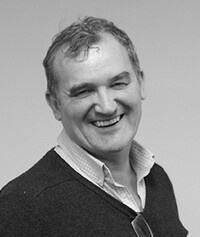
Tim Thornborough founded The Good Book Company in 1991. Today his roles include chairing The Good Book Company Trust and working with the Rights Team to grow TGBC's international reach. He is the author of The Very Best Bible Stories series and has contributed to many books published by TGBC and others. Tim is married to Kathy, and they have three adult daughters.